


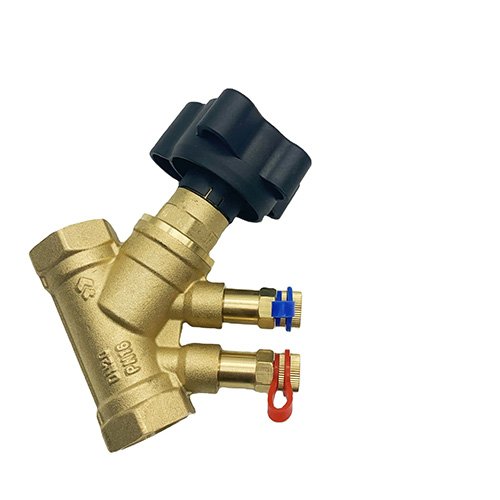
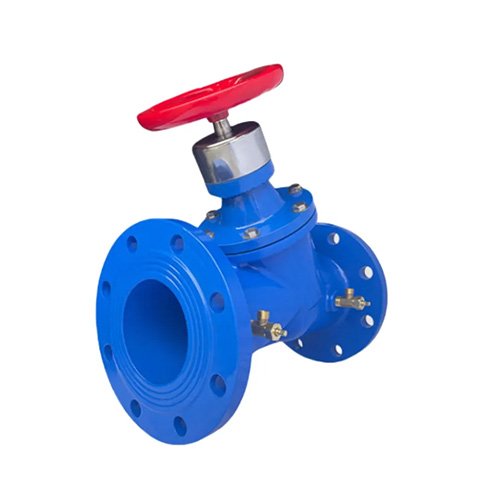
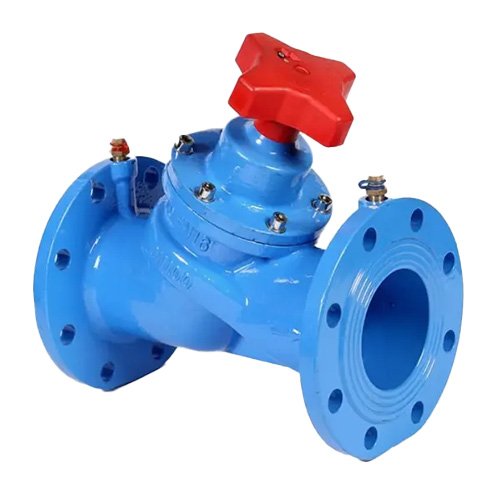
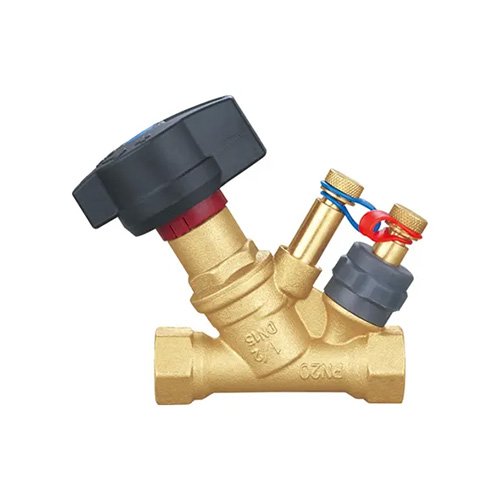
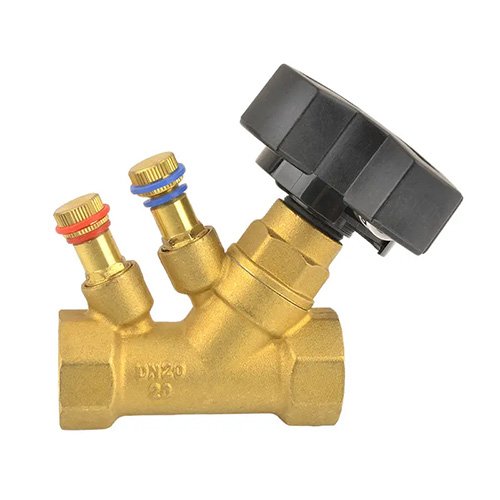
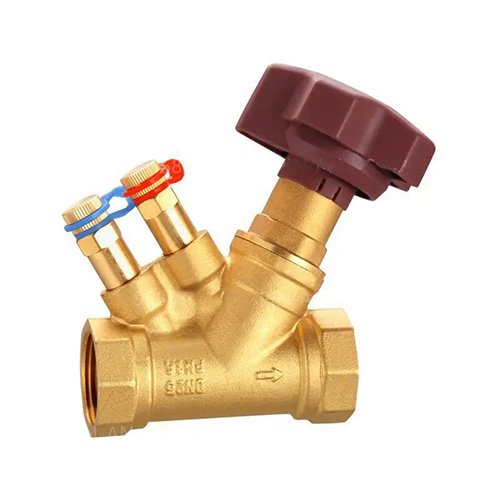
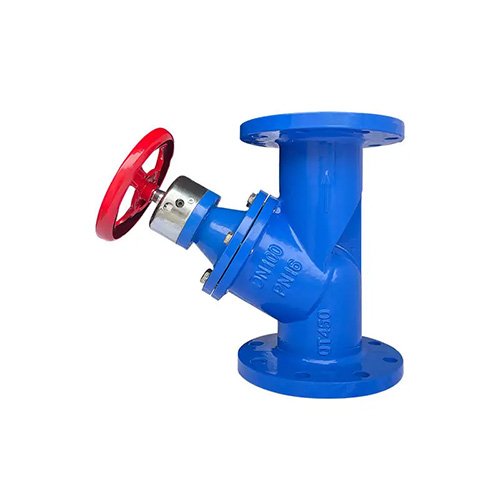
Balance Valve
Balance, used to adjust and balance flow, pressure or resistance in the fluid system (such as water, oil, gas, etc.), its main function is to ensure that the fluid in the system is distributed to each branch according to the requirements, to avoid the flow imbalance caused by uneven pressure.
In the air conditioning system of high office buildings, the dynamic balance valve can automatically adjust the chilled water flow according to the change of the end load, avoid the problem that the nearby user is too cold and the distant user is not cold, and reduce the energy consumption of the pump by about 20%-30%.
Application of SJI Balance Valve
As a key device for flow regulation and pressure control, the balance valve is applied in multiple industries, as follows:
- Heating(cooling) supply system
Hydraulic balance regulation , for centralized heating or cooling networks, by precisely regulating the flow of each branch to ensure even flow distribution at the user end, solves the problem of hydraulic imbalance.
- Air conditioning system
Coordinating heat and cold sources, regulating flow among refrigeration units, water pumps, and other equipment to avoid increased energy consumption or equipment failure caused by uneven operation of the units.
- Industrial fluid management
Liquid filtration and reflux protection. Integrated filter tube structure to reduce the influence of liquid impurities, with a shut-off function to replace the traditional shut-off valve.
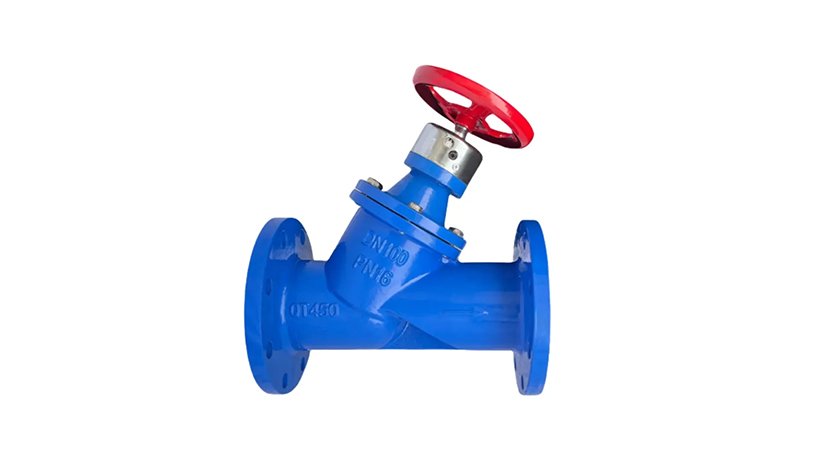
Features of SJI Balance Valve
Characteristics of the balance valve:
Flow balance
By adjusting the opening of the valve core to change the flow resistance, to achieve the flow distribution of the medium (water, oil, gas, etc.) in the pipeline or container, and to solve the hydraulic imbalance of the system .
Static balance valve allows manual locking of the opening to ensure fixed flow allocation as designed. The dynamic balancing valve automatically adapts to pressure differential variations and maintains the preset flow rate .
Pressure regulation
Balance the pressure difference in different areas of the pipeline to avoid overpressure or low pressure. Typical applications such as high-rise building water supply and drainage system water pressure balance between floors .
Energy saving and optimization
Eliminate the “large flow, small temperature difference” inefficient operation mode, reduce the energy consumption of water pumps, fans and other equipment.
Specifications of SJI Balance Valve
- Nominal diameter: DN65 – DN500
- Nominal pressure: PN10, PN16
- Shell test: 1.5 × PN
- Leak test: 1.1 × PN
- Actuator: manual
- Flange connection: DIN2501,ANSI B 16.5,ANSI B 16.47,GB9113-2000,GB17241.6-1998
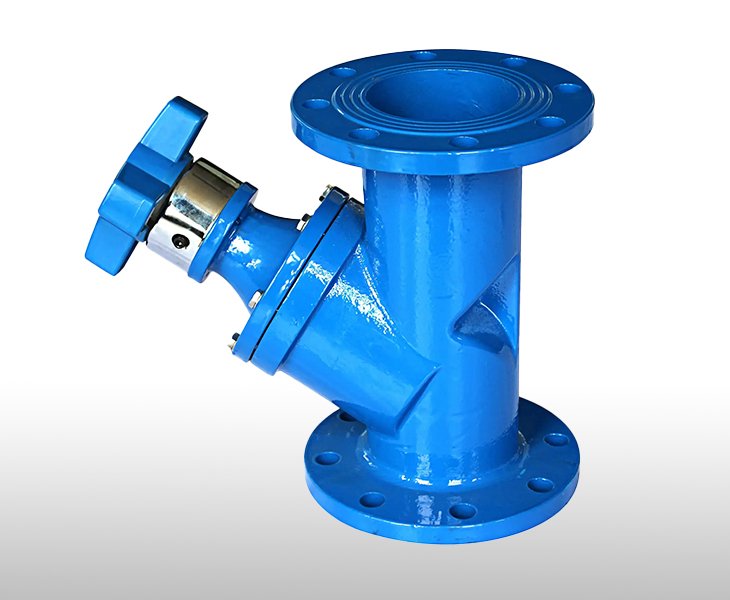
Balance Valve
- Material Sheet
ITEM | PART NAME | MATERIAL |
1 | BODY | DUCTILE IRON |
2 | DISC | STAINLESS STEEL |
3 | SEAT | EPDM |
4 | STEM | BRASS, STAINLESS STEEL |
| 5 | BONNET | DUCTILE IRON |
6 | HANDWHEEL | DIE-CASTING ALUMINUM |
| 7 | SEALING | EPDM, PTFE |
8 | NOZZLE | BRASS |
Flow equilibrium, pressure regulation, and energy-saving optimization.
HVAC, water supply system, water treatment, hydraulic system.
The static balance valve is manually adjusted, dynamic balance valve is automatically adjusted.