


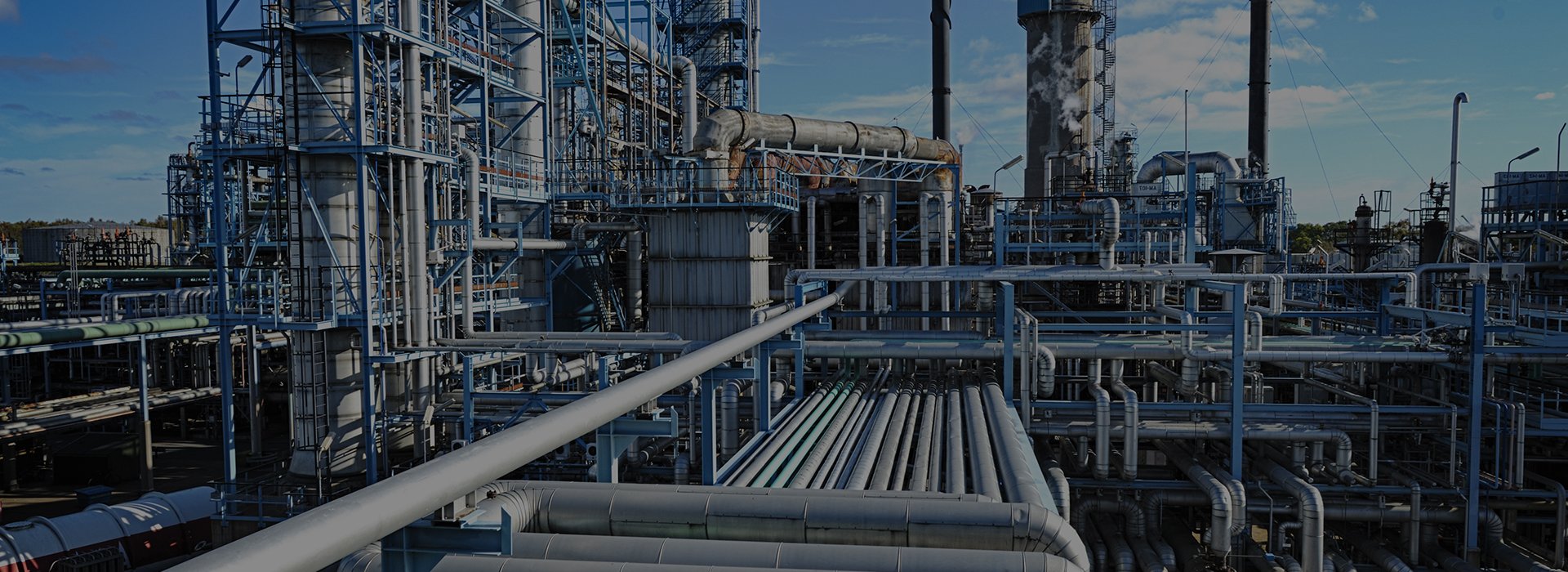
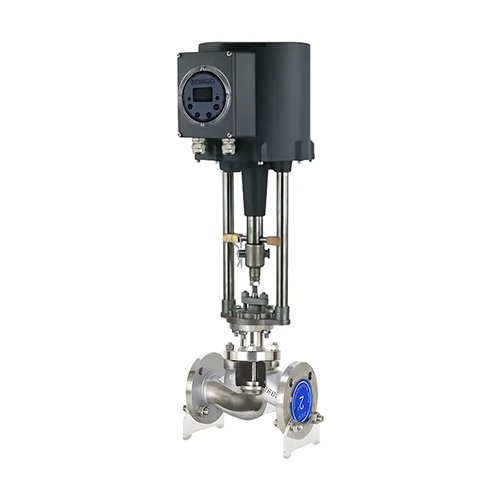
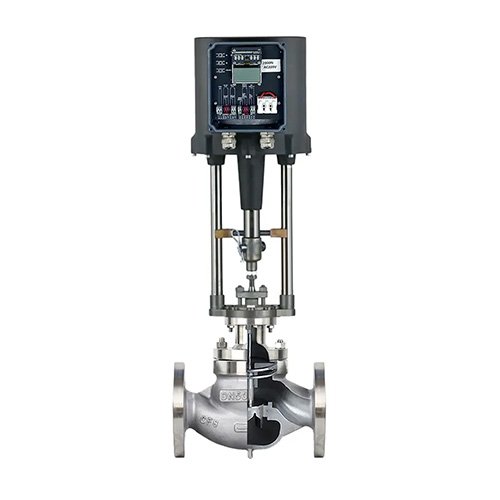
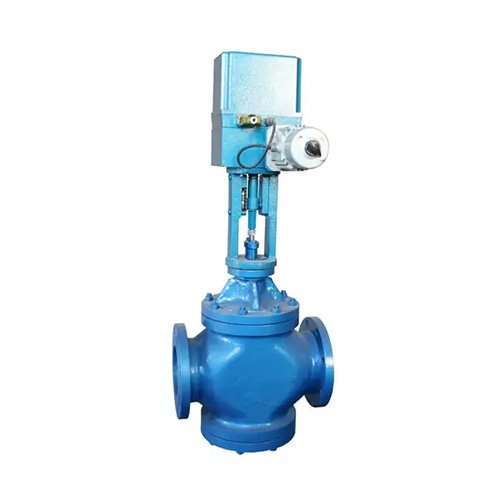
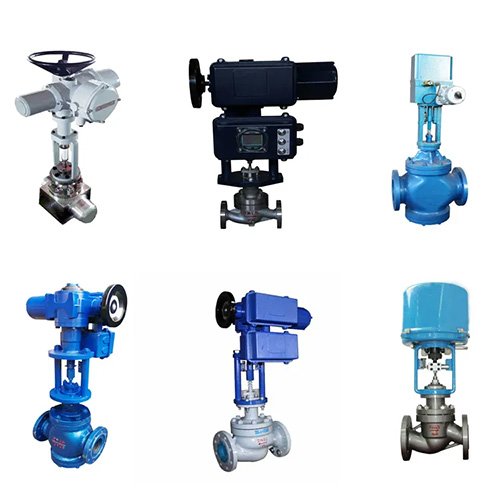
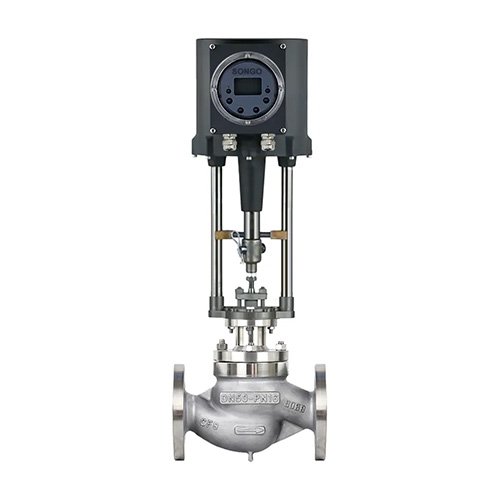
Control Valve
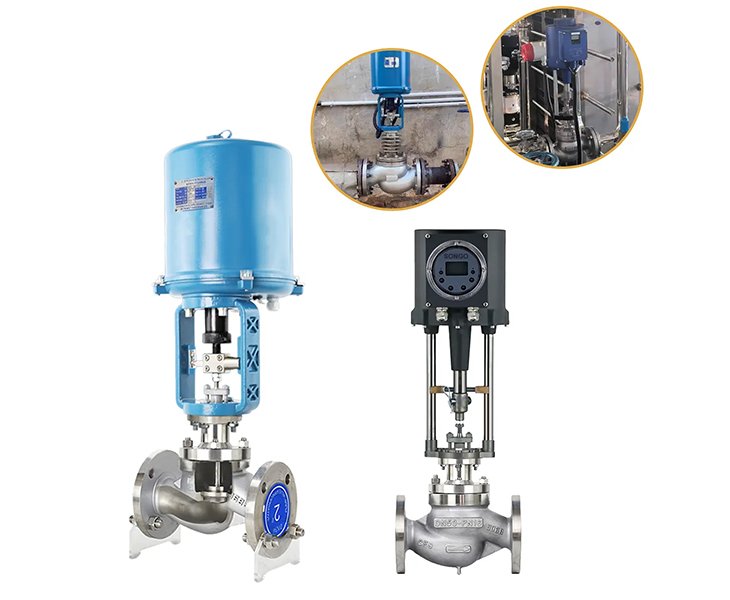
Control valve is widely used in industrial systems to maintain a stable production process.
Different structural types can adapt to the needs of diverse working conditions, while combined with isolation valves, bypass valves, and other components, to ensure the convenience and safety of system maintenance.
Application of Control Valve
As the core component of the fluid control system, the control valves are applied in many industries, as follows:
- The industrial field:
Petroleum, Chemical Industry, Steel, metallurg
New energy and new materials
- Urban infrastructure and public construction:
Water supply and diversion works
Building and Municipal Systems
- Environmental protection and agricultural:
Environmental Protection Engineering
Agricultural irrigation
- Electricity and Pharmaceuticals
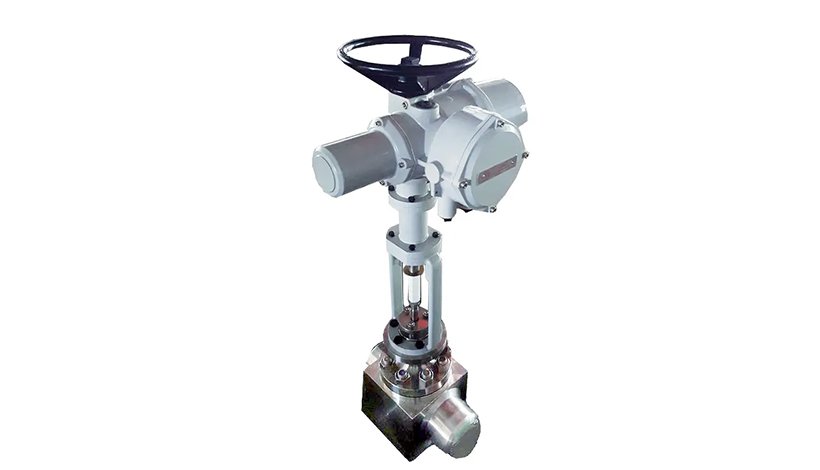
Feature of Control Valve
As an important regulating device in industrial systems, control valves have the following characteristics:
- Automation control capability, by receiving signals from the controller and automatically adjusting the valve opening to achieve closed-loop control of parameters such as flow and pressure, suitable for unattended scenarios.
- Diversified structural design. It includes types such as straight-through single-seat, double-seat, Angle, diaphragm, and butterfly valves, meeting the requirements of different media (gas, liquid, slurry) and working conditions.
- Actuator flexibility supports pneumatic, electric, and hydraulic drive.
- Safety and reliability, the design of dual control room structure, slow closing function, etc, can effectively eliminate the water hammer effect, prevent backflow of medium, and protect the pump and pipeline equipment.
Specifications of Control Valve
- Nominal diameter: DN65 – DN500
- Nominal pressure: PN10, PN16
- Shell test: 1.5 × PN
- Leak test: 1.1 × PN
- Actuator: manual
- Flange connection: DIN2501,ANSI B 16.5,ANSI B 16.47,GB9113-2000,GB17241.6-1998
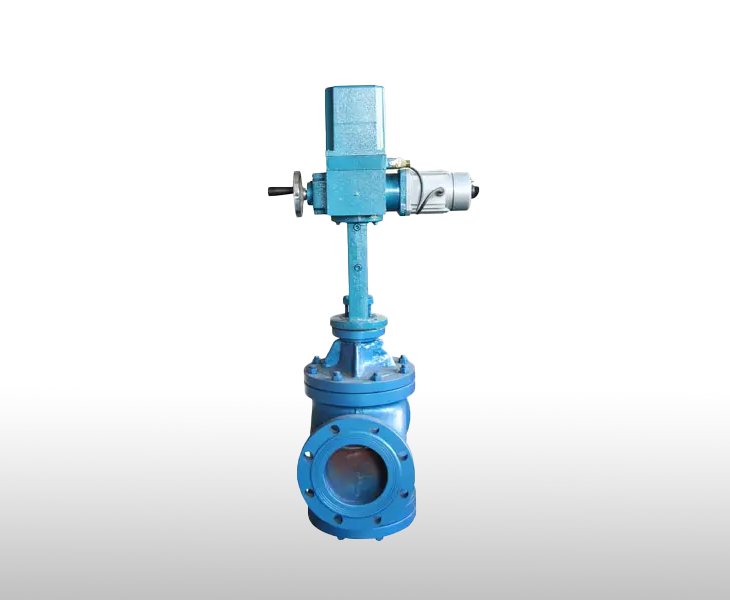
Function of Control Valve
- Precision structure design and material technology
Precision sealing structure
Pilot valve optimization design - Diverse control technology
Precise flow regulation
Self-operated control
Remote signal response - Intelligent and automated integration
The function of control valve as follows:
- Flow regulation
- Pressure balance
- Change direction
- Temperature control
- overload/overpressure protection
- Leak protection
- Automation and intelligent control
They are:
Pressure control
Flow control
Directional control
The valve spool moves up and down or rotates in the valve body to change the cross-sectional area of the flow channel and control the flow rate, pressure or direction of the medium.