



Ball Valve
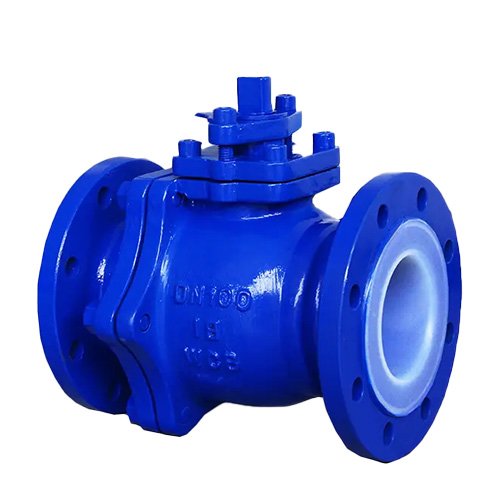
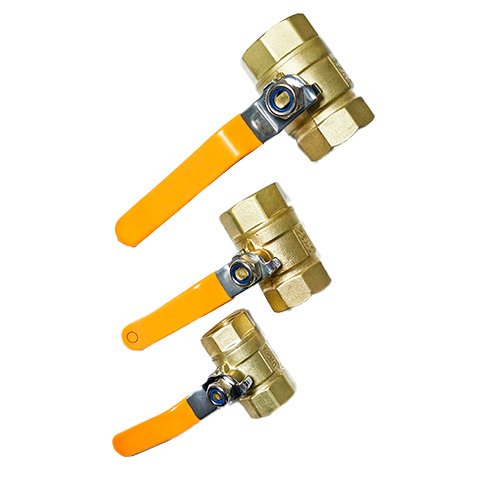
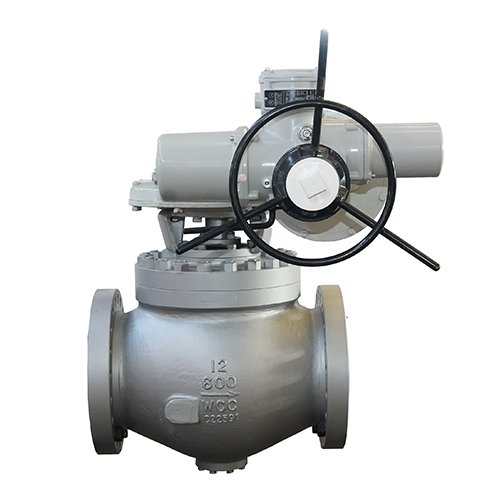
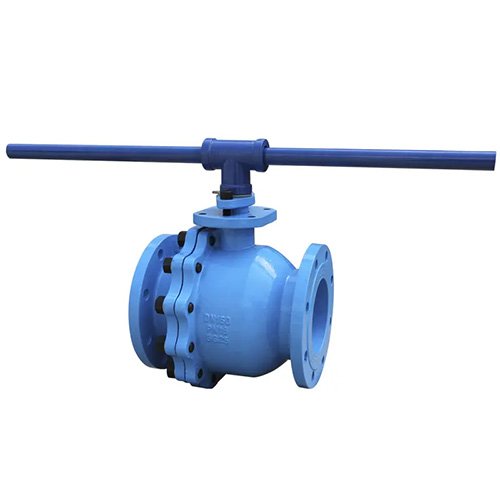
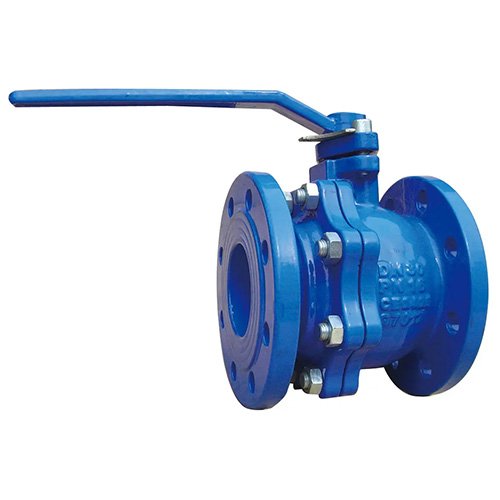
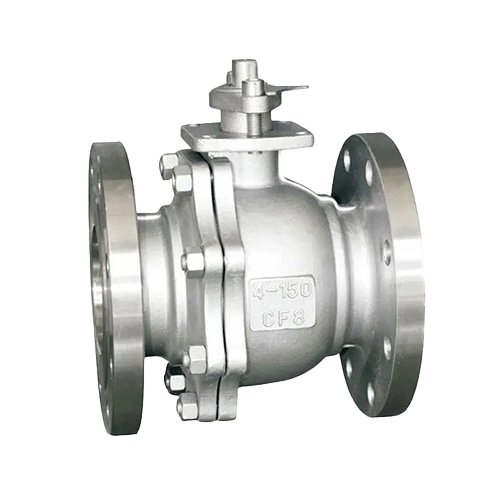
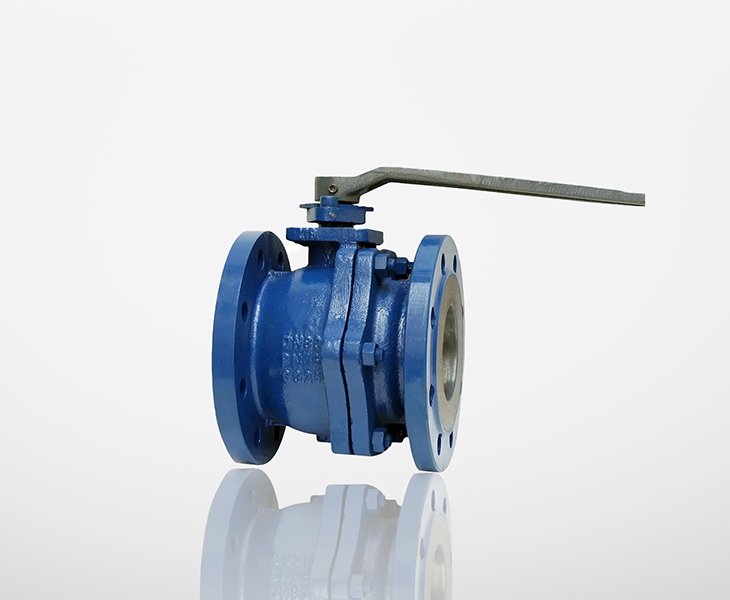
The ball valve is a kind of rotating ball with a round through hole to control the fluid on and off valve , has the characteristics of compact structure, reliable sealing and convenient operation , widely used in petroleum, chemical industry, electric power, water conservancy, heating, and sewage treatment and other industrial fields.
Use of Ball Valve
The ball valve comes from the plug valve, ball valve opening and closing quickly, widely used in long-distance pipelines, and can achieve emergency cut-off in case of accidents. The nominal pressure is 16~320bar, and the working temperature is generally not more than 150℃.
Classification of Ball Valves
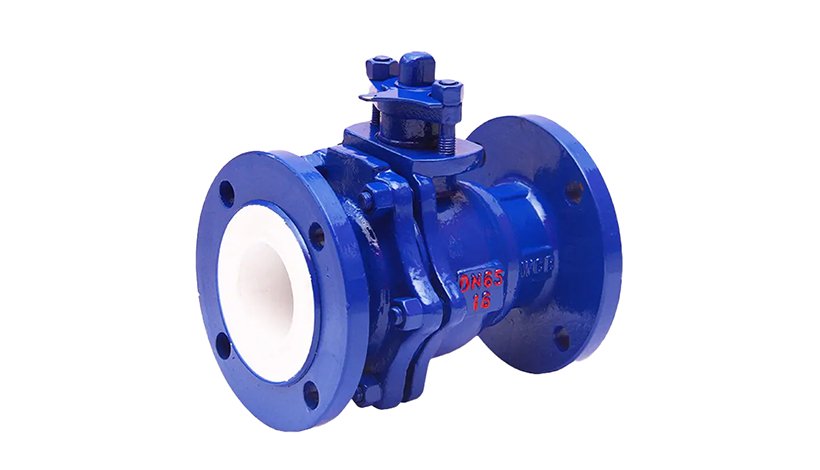
Ball valves are classified into two types based on the form of the ball within the valve body: floating ball type and fixed ball type.
- Floating ball valve
The ball can float inside the valve body and has a certain floating range. Under the pressure of the medium, the sphere can move towards the outlet end and be pressed against the sealing ring on the outlet side to ensure the sealing at the outlet end. This type of ball valve has a simple structure, single-sided sealing, and good sealing performance.
- Fixed ball valve
The ball is fixed by the rolling bearings installed on the upper and lower shafts and cannot move horizontally.
Characteristics of Ball Valve
- Ball valve has low resistance. Because the ball channel of the ball valve, the valve body channel is connected with the connected pipe into a straight pipe, the cross-sectional area is equal, so the resistance is small, and it is the least resistance in all kinds of valves.
- Reliable sealing.
- Small opening and closing torque. The opening and closing part of the ball valve is only in contact with the seat sealing ring, so the contact area is small, and the opening and closing torque is smaller than that of the plug valve with a large contact surface.
Ball Valve
- Specifications
- Product Standards
| ITEM | PARTS NAME | MATERIAL |
| 1 | BODY | WCB,CF8,CF3,CF8M |
| 2 | STEM | F6a,F304,F304L,F336,F316L |
| 3 | SEAT | PTFE,REINFORCED PTFE, NYLON |
| 4 | SEAT RETAINER | F304,F304L,F316,F316L |
| 5 | SPRING | 3YC-7,17-19H |
| 6 | O-RING | NBR,VITON |
| 7 | STUD | A193-B7,A193-B8 |
| 8 | NUT | A194-2H,A197-8 |
| DESIGN SPEC | API 608, API 6D |
| FACE TO FACE | ANSI B16.10, API 6D |
| FLANGE END | ANSI B16.5 |
| TEST & CHECK | API 598, API 6D |
| MARKING | MSS SP-25, API 6D |
Ball valve is widely used in all kinds of pipe system, suitable for high temperature and high pressure or corrosive media fluid control.
Because the ball valve has a compact structure, rapid opening and closing, and reliable sealing, it can quickly cut off or connect the fluid, adapt to complex conditions such as high pressure, high temperature, corrosion, and so on, and ensure the safe, stable and efficient operation of the pipeline system.
The ball valve realizes fast opening and closing by rotating the ball, good sealing and suitable for frequent operation and high pressure environment; The gate valve controls the flow rate through the gate lift, and the resistance is small when it is fully opened, but the opening and closing are slow, which is usually used for the full open/close condition that is not adjusted frequently.
Ball valves in full diameter and full open usually do not significantly reduce the flow rate.